


Inspection Services
Our inspection services include the evaluation of a wide range of parts, components and structures in accordance with national and international standards such as ASME, AWS, API, AAR, ISO, ANSI, ASTM and NOM.
We perform inspections on a wide variety of materials used in the construction of:
- Buildings
- Bridges
- Pipelines
- Refineries
- Thermoelectric plants
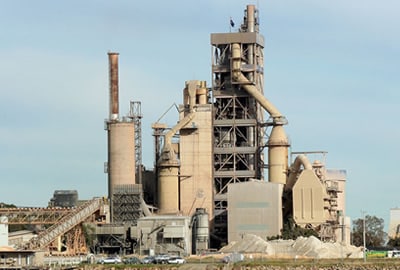
- Cement plants
- Storage tanks
- Pressure vessels
- Boilers
- Automotive parts
- Castings
- Forgings
Over the past twenty years, we have been the company with the greatest participation in inspection services during the construction of offshore platforms in Mexico.
Radiographic Testing (RT)
Radiographic Testing is primarily used for welding quality control in structures such as buildings, bridges, tanks, pipelines, offshore platforms and petrochemical plants.
Other Applications
- Radiographic testing of casting parts.
- Thickness measurement.
- Inspection of piping arrangements and insulated components.
- RT inspection of metallic products made from different materials during manufacturing or maintenance.
Equipment and Capacity
We operate advanced X-Ray and Gamma-Ray equipment, with 15 radiographic units ready to work anywhere in the country, 365 days a year.
Authorized by the National Commission for Nuclear Safety and Safeguards since 1996, under License No. AOO.200/0595/96.
Our company also uses radiation safety equipment beyond regulatory requirements, supported by a safety system that has resulted in zero radiation accidents throughout our entire history.
Ultrasonic Testing of Welds (UT)
With extensive experience using multiple generations of ultrasonic instruments, we provide reliable and advanced ultrasonic testing for welds and critical components. Our combination of modern equipment and field expertise ensures accurate detection and evaluation of internal discontinuities.
UT Inspection Services
- Detection and analysis of laminations in steel plates.
- Ultrasonic testing of welds in pressure vessels, boilers, pipelines and structural components for buildings, bridges, transmission towers, petrochemical plants and offshore platforms.
- UT inspection of forgings, castings and extruded parts.
- Detection of fatigue failures in materials and welded structures, including tanks, equipment, cranes and lifting systems during maintenance inspections. This may include technical consulting for repair or reinforcement.
- Ultrasonic thickness measurement of pipes and vessels subject to corrosion, performed from one side only.
Thickness Evaluation
For thickness evaluations, we provide proprietary software analysis at no additional cost, including calculation of average wear rate and estimated remaining useful life:
D  = (ei – ef) / P
D´ = (D1 + D2 + … + Dn) / n
VUE = (ek – Lr) / D´
Equipment and Capacity
We operate more than 15 fully equipped mobile units for ultrasonic testing, including advanced Phased Array and TOFD systems.
Magnetic Particle Testing (MT)
To detect surface and subsurface flaws in carbon steel and other magnetic materials, we use equipment ranging from 6,000 amperes to magnetic yokes, along with highly qualified personnel to perform inspections using the following techniques:
- Continuous method or residual method.
- Prods technique, coil, heads, central conductor, magnetic yoke and multidirectional magnetization.
- Wet or dry particles, visible or fluorescent, selected according to the required contrast and sensitivity.
Applications
Inspection of materials and welds
MT inspection of materials and welds in any ferromagnetic component.
Detection of fatigue failures
MT inspection of parts to detect fatigue failures during maintenance shutdowns.
Equipment and Services
We operate more than 20 complete magnetic particle inspection systems, ready to be mobilized to your plant.
Demagnetization service
Need to demagnetize a component? Our specialized team can assist you.
Penetrant Testing (PT)
For any non-porous material, whether magnetic or non-magnetic, including metals, ceramics and plastics, the Penetrant Testing method allows the detection of cracks and other surface-breaking defects.
Depending on the specific inspection requirements, the following options can be used:
- Penetrants visible under white light or fluorescent under ultraviolet light.
- Penetrants removable with water or solvent.
- Dry or wet developers.
We operate more than 20 fully equipped PT units with highly experienced personnel specialized in the detection and analysis of material failures.
Leak Testing (LT)
Our leak testing services are designed to detect, locate and/or measure leaks in components and systems. We can perform, supervise or provide consulting for the following techniques:
- Direct Pressure, Immersion or Vacuum Box Bubble Test (BLT).
- Pressure Difference Test (APLT).
- Halogen Diode Detector Sensor (HDLT).
- Helium Mass Spectrometer (MSLT).
Purpose of Leak Testing
Leak tests are performed for one of the following purposes:
- Avoid loss of fluid that interferes with the proper operation of the system.
- Prevent risks such as fire, explosion, environmental contamination or damage to equipment and personnel caused by accidental leaks.
- Detect unreliable components or those where the leakage rate exceeds acceptable standards.
Leakage Criteria
Zero leaks do not exist. The objective is to ensure that the leakage rate remains within the specified limits.
Visual Testing (VT)
The final quality of a welded structure, as well as compliance with the manufacturing schedule and project budget, depends on several basic factors that can be effectively controlled through proper visual testing (VT).
These factors include:
- Approved drawings and specifications.
- Suitable base and filler materials.
- Approved welding procedures (WPS).
- Qualified welders.
- Manufacturing processes such as drawing, cutting, assembly and welding performed according to approved procedures.
- Acceptable weld quality during in-process and final inspections.
- Handling, assembly and installation of components and equipment according to specifications.
- Complete records of the quality system used.
Professional Visual Inspection Services
Our select group of visual inspectors is prepared to manage quality control for your project from the design stage through final testing.
For a cost of approximately 1% of the project value, visual inspection can help prevent failures and generate savings of 10%, 20%, 100% or more by avoiding poorly manufactured structures and costly rework.